
Seoul for Seniors: A Slow-Paced Guide to South Korea’s Capital
TL;DR
Seoul is an exceptionally senior-friendly destination, offering world-class public transport with elevators, a safe environment, and accessible cultural sites. We recommend focusing on the Jongno district for minimal walking and using the extensive taxi network to avoid stairs.
Seoul is a city that respects its elders, a cultural trait known as hyo, which translates into a highly accessible infrastructure for older travelers. While the city is mountainous, the combination of modern technology and traditional hospitality makes it an excellent choice for a dignified, comfortable vacation. We have designed this guide to help you navigate the city at a slower pace, prioritizing comfort and ease.
Is Seoul a good destination for travelers over 60?
Yes, Seoul is one of the most accessible and safe cities in Asia for senior travelers due to its high-tech infrastructure and cultural respect for older adults. The city offers free or discounted entry to many palaces and museums for those over 65 (though this often applies only to residents, the staff are generally very accommodating). You will find that most public spaces have prioritized seating, and the crime rate is incredibly low, allowing for a stress-free experience even at night. For more broad Asia travel advice, you can view our other destinations.
How can seniors avoid stairs and steep hills in Seoul?
To avoid the physical strain of Seoul's hilly terrain, you should utilize the extensive network of elevators in subway stations and rely on the city’s affordable taxi services. While the subway is efficient, some older stations involve long transfers; we recommend downloading the 'KakaoTaxi' app to summon vehicles directly to your location, eliminating the need to hunt for transit hubs. When booking icons like the N Seoul Tower, choose the cable car rather than the walking paths to reach the summit without exertion.
Prioritizing ADA-compliant exits
Every major subway station in Seoul now features at least one elevator exit. Look for the yellow accessible signs. We suggest checking the official Seoul Metro website or apps like Naver Maps, which specifically highlight wheelchair and senior-friendly routes that bypass stairs entirely.
Which neighborhoods are best for a relaxed stay?
We recommend staying in the Jongno-gu or Jung-gu districts, as these areas are relatively flat and place you within walking distance of major historical sites. Staying near Insadong allows you to experience traditional tea houses and art galleries without needing to navigate heavy traffic or steep inclines. Myeongdong is also a viable option for its proximity to luxury department stores like Lotte and Shinsegae, which offer excellent climate-controlled environments and accessible food courts.
What are the most accessible cultural experiences in Seoul?
Visiting Gyeongbokgung Palace and the National Museum of Korea provides the most comfortable way to experience Korean history with minimal physical obstacles. Gyeongbokgung is vast but features flat, paved pathways suitable for slow walking or wheelchairs, which are available for rent at the entrance. The National Museum of Korea is a modern facility with full elevator access, ample seating in every gallery, and high-quality wheelchairs available for public use.
Traditional Tea Houses in Insadong
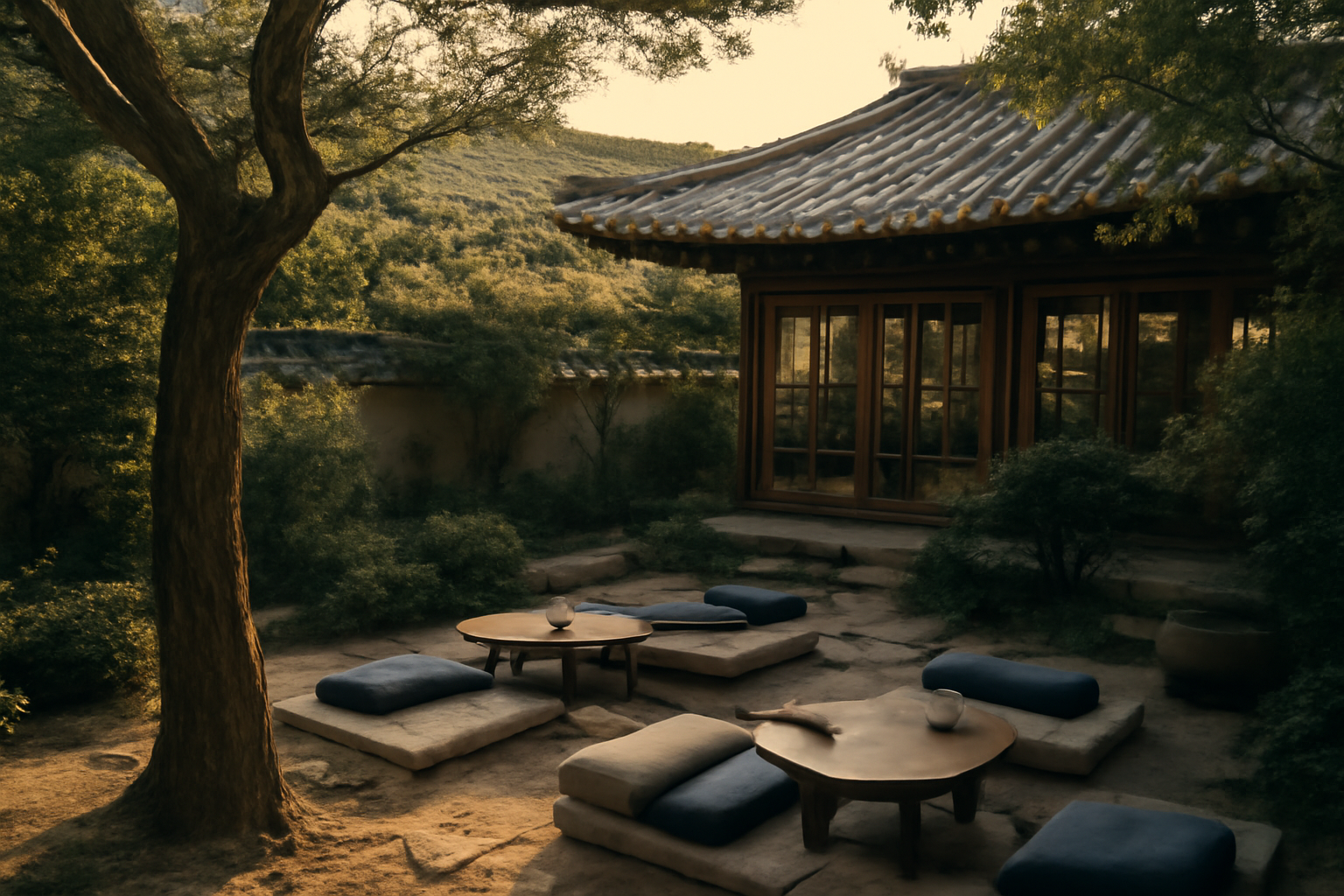
For a mid-afternoon break, the tea houses in the Insadong neighborhood offer a quiet, seated experience. Many of these are located in traditional hanok buildings that have been modified with modern seating, so you do not necessarily have to sit on the floor, which can be difficult for those with knee concerns.
How does the healthcare system support foreign visitors?
South Korea has a world-class healthcare system with many international clinics specifically designed to serve English-speaking visitors. If you require medical attention, hospitals like Seoul St. Mary’s or Severance Hospital have dedicated international centers. We recommend always carrying your travel insurance card and a list of your prescriptions translated into Korean, which most hotel concierges can assist with.
What should seniors skip in Seoul to avoid crowds?
We suggest skipping the Ihwa Mural Village and the steep residential alleys of Bukchon Hanok Village during peak afternoon hours. These areas require significant uphill walking on uneven pavement and can become uncomfortably crowded with younger tourists. If you wish to see traditional architecture, the Namsangol Hanok Village is a much flatter, more manageable alternative that offers a similar aesthetic without the strenuous climb.
What is the best way to get around the city comfortably?
Taking 'International Taxis' or using the 'Premium' bus lines is the most comfortable way to traverse Seoul without the brisk pace of the subway. International Taxis are driven by English-speaking drivers and can be booked for a flat hourly rate for sightseeing. If you are traveling between cities, the KTX high-speed train offers spacious 'First Class' seating with extra legroom and meal service, providing a much higher level of comfort than standard domestic flights or buses.
Navigating the Airport
Incheon International Airport is consistently ranked as one of the best for accessibility. Use the 'Airport Limousine Bus' to get to your hotel; these are luxury coaches with reclining seats and dedicated luggage handling, which is far easier than navigating the train with heavy suitcases.